Communal area Cleaning in SE3
If you manage or live in a shared building, you already know how quickly entrance halls, stairwells, landings, lift areas, and bin storage spaces can lose their fresh look. Communal area Cleaning in SE3 is about more than simply keeping a property tidy; it is about creating a welcoming, hygienic, and well-maintained environment for everyone who uses the space every day. In a local area like SE3, where you will find a mix of Victorian conversions, modern apartment blocks, mansion-style flats, purpose-built developments, and shared commercial premises, keeping common parts clean can make a real difference to comfort, appearance, and day-to-day smoothness.
Whether you are a landlord, managing agent, freeholder, residents’ association member, or business owner, a reliable local cleaning service helps maintain standards in the areas people notice first. From Blackheath borders and the roads around Kidbrooke to homes closer to Westcombe Park and nearby shared developments, properties in SE3 often need regular attention because these spaces see constant footfall. Dirt from shoes, litter, marks on glass, dust on skirting, cobwebs in corners, and fingerprints on doors can build up fast. A professional local team can help keep these areas presentable, cleaner for longer, and easier to manage.
When people look for a service like this, they are usually not just looking for a one-off tidy. They want dependable routine care, clear communication, and a team that understands how shared buildings work. They may need weekly or twice-weekly visits, tailored task lists, or support with less frequent deep cleans. They may also need a cleaner who can work around access codes, communal entrances, concierge arrangements, and limited parking. That is why choosing a local provider for communal cleaning in SE3 can be so practical.
Why communal area cleaning matters for SE3 properties

Shared areas are the parts of a property that many people see every day, so their condition affects how the whole building feels. Clean communal spaces can make residents feel more comfortable, reduce complaints, and support a better impression for visitors, tenants, and prospective buyers. In SE3, where there are a lot of multi-occupancy properties and mixed residential developments, the shared environment needs regular upkeep to stay on top of everyday wear and tear.
It is also important from a practical point of view. Dust, spills, damp marks, and debris are not only untidy; over time, they can become harder to remove and may contribute to a less pleasant environment. Staircases and hallways see muddy shoes during wet weather, especially in autumn and winter. Lift interiors show fingerprints and smudges quickly. Mail areas can become cluttered. A structured cleaning plan helps stop these issues from building up.
For managing agents and landlords, regular cleaning is often part of maintaining good tenant relations and keeping the property in a presentable condition. Communal area cleaning SE3 services can be adapted to the type of building, the number of residents, and the level of use. The aim is to keep shared areas tidy, hygienic, and consistently looked after without creating disruption to residents or business occupants.
What is included in communal area cleaning?

The exact service can vary depending on the building, but a good communal cleaning schedule usually covers the most-used shared spaces. The service should be built around the property’s layout and the level of traffic it gets. In SE3, this can mean anything from compact converted flats to larger blocks with several floors, lift access, and shared entry points.
Typical tasks may include sweeping, mopping, vacuuming, wiping surfaces, and removing visible debris from common parts. Shared doors, handrails, light switches, and lift buttons often need regular attention because they are high-contact areas. Glass doors, low-level marks on walls, and reception areas may also need care to keep the building looking well managed.
Many customers also ask for additional tasks that support a tidier, more organised shared space. These can include bin area cleaning, cobweb removal, dusting skirting boards, polishing bannisters, wiping window ledges, and clearing litter from entrances. The right cleaning plan should reflect how the building is actually used, rather than offering a one-size-fits-all list.
Common tasks in a shared building clean
- Vacuuming carpets and runners in hallways and stairwells
- Sweeping and mopping hard floors
- Dusting reachable surfaces, ledges, and skirting boards
- Cleaning handrails, banisters, and door handles
- Wiping lifts, lift panels, and buttons
- Cleaning internal glass, mirrors, and entrance doors
- Removing cobwebs from corners and ceilings where accessible
- Tidying bin stores and shared refuse areas
- Spot-cleaning marks from walls and switches
Some properties will need extra attention to keep on top of the work. For example, a block with a high number of families may need more frequent cleaning around entrance mats and lifts. A building with a commercial unit on the ground floor may have different traffic patterns throughout the day. A good service should be flexible enough to handle those changes.
Local knowledge makes a difference in SE3
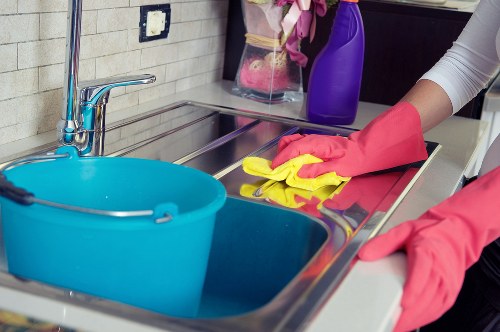
Choosing a local team for communal area cleaning in SE3 can help because local properties often come with their own set of practical challenges. Access arrangements may involve entry fobs, coded doors, concierge desks, or limited time windows. Parking can be tight on some residential roads, especially near busy routes and denser developments. A local cleaner who understands these realities can work more smoothly and with less disruption.
SE3 has a varied property mix. Some buildings are older and may have more wear in stairwells, shared timber features, or narrow hallways. Others are newer and may require careful care around modern finishes such as glass balustrades, polished flooring, and lift lobbies. Buildings near busier roads can pick up more dust and street dirt. Ground-floor entrances may need extra attention during wet weather when mud and leaves are brought inside.
There is also a social benefit to keeping communal areas clean. Residents are more likely to treat shared spaces with care when those spaces already look cared for. Clean surroundings can encourage better habits and support a more respectful atmosphere among occupants. That is especially useful in apartment blocks and shared homes where many people use the same entrances and staircases every day.
Local cleaning support in SE3 is often the best fit when you want practical reliability, regular attendance, and an understanding of the local environment. Rather than sending a team unfamiliar with the property type or area, a local provider can arrive prepared for the building’s layout, access requirements, and expectations.
Who needs communal area cleaning services?

Communal cleaning is useful for a wide range of customers. It is not limited to large apartment blocks. Many different types of shared premises in and around SE3 benefit from a regular service, particularly where several households, tenants, or businesses use the same entrances and corridors.
In residential settings, the service is often arranged by freeholders, managing agents, block managers, landlords, residents’ associations, or committees representing leaseholders. In commercial settings, it may be used by office managers, mixed-use property managers, or businesses that share a lobby, corridor, or washroom access. The goal is the same: keep the shared parts of the property in a clean, respectable condition.
It can also be helpful for smaller properties with just a few flats if the communal areas are becoming difficult to maintain. A regular service may be more efficient and consistent than relying on residents to take turns. If there is confusion about responsibility or the work is falling unevenly on one or two occupants, a scheduled cleaning plan can remove that pressure.
Typical customers in SE3 include
- Managing agents overseeing apartment blocks
- Landlords with converted houses or shared houses
- Leaseholder groups and residents’ associations
- Commercial property managers
- Mixed-use building operators
- Concierge-led developments that need backup cleaning support
- Owners of smaller blocks who want dependable routine maintenance
For any of these customers, the appeal of a professional service is the same: cleaner shared areas, less hassle, and a more predictable standard of upkeep. If you are comparing options, it is worth asking how the cleaning is scheduled, what is included, how access is managed, and whether the service can be adapted if the building’s needs change.
How the service usually works

A good communal cleaning service should begin with understanding the property. Rather than assuming every building needs the same routine, the provider should consider the number of floors, floor types, frequency of use, access points, and any special instructions. In SE3, this matters because one block may have long carpeted corridors, while another may have tiled entrances and lift lobbies that need more frequent wiping.
After the initial discussion, the cleaning schedule is typically set based on the building’s needs. That might mean weekly visits for a smaller site, several visits per week for a busier property, or a tailored arrangement that focuses on the areas that get dirty fastest. The service should ideally be transparent so everyone involved knows what will be cleaned and when.
During each visit, the cleaner will follow the agreed task list and complete the work in a way that suits the building. This can include using suitable products for different surfaces, taking care around residents, and paying extra attention to entrances and shared contact points. Consistency is one of the biggest benefits because communal spaces look noticeably better when they are cleaned on a steady routine rather than only when problems become obvious.
What customers often expect from a reliable clean
- Regular attendance at agreed times
- Attention to detail in high-traffic areas
- Respectful working in occupied buildings
- Clear communication if access or site conditions change
- Flexible task lists suited to the building
Some customers prefer a service that includes a quick review after the first visit or after the initial few cleans. That makes it easier to refine the schedule and make sure the cleaner is focusing on the areas that matter most. For shared properties, this kind of practical adjustment can be especially useful.
Benefits of regular communal area cleaning
The obvious benefit is that the property looks cleaner. But in shared buildings, the advantages go further. Clean communal spaces can improve comfort, reduce grime buildup, support a better first impression, and make everyday living feel easier for residents and visitors alike. In a busy part of SE3, where many people come and go throughout the day, this can have a real impact.
Regular cleaning also helps keep maintenance under control. Dirt, dust, and marks are easier to remove when they are dealt with promptly. That may help protect flooring, paintwork, glass, and fixtures from avoidable wear. It can also make inspections and property management easier because the shared areas are already being looked after.
For occupiers, a clean building can simply feel better to live or work in. It is more pleasant to come home to a tidy hallway, or to welcome clients and staff into a well-kept shared entrance. Shared spaces are part of the overall experience of the property, so keeping them clean supports the overall value and reputation of the building.
Key benefits at a glance
- Improved appearance for residents and visitors
- Reduced buildup of dust, litter, and marks
- Better hygiene in high-touch areas
- Less day-to-day stress for managing agents and landlords
- More consistent standards across the building
- Greater comfort in both residential and mixed-use properties
Pricing factors for communal cleaning in SE3
Customers often want to know what affects the cost of communal area cleaning. While exact pricing depends on the property and the service level required, several common factors usually shape the quote. Being aware of these can help you understand what you are paying for and why one building may need a different approach from another.
The size of the premises is one major factor. A small block with a single staircase will usually need less time than a larger development with multiple floors, lifts, long corridors, and several entrance points. Frequency also matters: more regular visits generally mean more consistent cleaning schedules, while less frequent visits may require a deeper clean each time.
Other factors include the condition of the communal areas, the type of flooring, the presence of lift lobbies or glass surfaces, bin store access, and any additional duties requested. For example, a building with heavy foot traffic or seasonal dirt coming in from outside may need more detailed work than one with lighter use. Parking and access requirements can also influence how efficiently the job is completed, particularly in tighter SE3 streets or managed developments with specific entry procedures.
Factors that may affect the quote
- Number of floors and shared spaces
- Frequency of cleaning required
- Condition of carpets, hard floors, and walls
- Access arrangements and site restrictions
- Extra tasks such as bin store cleaning or internal glass care
- Time needed for the property to be cleaned safely and thoroughly
A clear quote should reflect the actual needs of the site rather than offering a vague estimate that does not match the work. If you are arranging communal cleaning for a block in SE3, it is sensible to ask how the provider assessed the site and what is included in the proposed service.
What to prepare before the first visit
Preparing the building before a cleaning service starts can help things run smoothly from day one. This does not usually involve much, but a few practical details can save time and prevent confusion. In shared buildings, it is especially useful when residents, landlords, and cleaners all understand what to expect.
Before the first clean, it is worth making sure the provider has the necessary access instructions. That could include keys, fobs, codes, or information about who to contact on arrival. It is also useful to confirm the agreed cleaning schedule, any areas that are off-limits, and whether there are any surfaces requiring special care. If there are complaints about certain areas, such as a bin room or landing, mention those at the outset so they can be prioritised.
It can also help to remove personal items, prams, bikes, or loose obstacles from communal walkways where possible, especially if they may affect access to skirting, corners, or floor areas. If the building has resident notices or communal rules, make sure they are up to date so everyone knows what the cleaning team is doing and when. A well-prepared site helps the service deliver better results more efficiently.
Simple preparation checklist
- Confirm access arrangements and site contact details
- Share the agreed cleaning scope and frequency
- Point out any fragile finishes or problem areas
- Clear obvious obstacles from access routes where possible
- Tell residents or occupants when cleaning will take place
- Highlight any bin area, entrance, or floor issues that need attention
Even small improvements in preparation can make the service more effective, particularly in busy properties where cleaners need to work efficiently and respectfully around residents.
Why choose a local company for SE3 communal spaces?
A local provider brings convenience, familiarity, and responsiveness. They are more likely to understand the type of buildings in the area, the practical access issues that can arise, and the expectations of residents and managing agents in and around SE3. That local understanding can help create a smoother service from the outset.
Local teams are often easier to work with when schedules need adjusting, when site access changes, or when extra attention is needed after bad weather, building works, or a busy weekend. They can also be better placed to respond to routine changes and keep a building looking cared for without a long delay. For shared properties, this kind of flexibility matters.
There is also value in dealing with a company that focuses on practical results rather than overcomplicating the process. Customers want cleanliness, reliability, and straightforward communication. A strong local service should be clear about what it does, how often it visits, and how it adapts to a property’s needs.
Why local service is often the better fit
- Better awareness of SE3 property layouts and access needs
- Easier scheduling around occupied buildings
- More responsive support if requirements change
- Practical familiarity with residential and mixed-use sites
- Reduced disruption for residents and businesses
If you are deciding between providers, it is sensible to choose one that treats the building as a real working environment rather than a generic cleaning job. Communal area cleaning in SE3 works best when it is tailored, predictable, and carried out with care.
Areas covered around SE3
SE3 includes a variety of neighbourhood settings, property types, and building sizes, so communal area cleaning needs to be adaptable. The service is relevant to homes and shared developments around Blackheath, Kidbrooke, Westcombe Park, and nearby residential pockets where entrances, stairwells, and lobbies require ongoing upkeep. It is also suitable for mixed-use buildings and developments with shared access points across the wider local area.
Because the area includes both quieter residential streets and busier routes, cleaning requirements can differ from one property to the next. A building near a busy road may collect more dust and street debris. A development with landscaped shared entrances might need care around flooring and glass. A converted house with narrow stairs could need a different approach from a larger block with a lift and several corridors. A flexible local cleaner can work around these differences without making the service feel complicated.
If your building is close to shared parking bays, gated entries, or managed refuse areas, it is helpful to choose a cleaner who is used to working in those conditions. The service can then be planned around the site’s practical realities instead of disrupting residents or staff. This is another reason why local knowledge is so valuable in SE3.
Frequently asked questions
Below are some of the most common questions customers ask when arranging communal cleaning for shared buildings in SE3. If you are considering regular service, these points can help you decide what level of support is right for your property.
How often should communal areas be cleaned?
That depends on the size of the building, the number of residents, and how quickly the area gets dirty. Some properties need weekly cleaning, while busier blocks may need several visits each week. A tailored schedule is usually the best way to maintain a consistent standard.
Can the cleaning be adapted to our building?
Yes. Good communal cleaning should be based on the layout and use of the property. If your block has carpeted stairs, a lift, bin store access, or glass entrance doors, those features can be included in the cleaning plan.
Do you clean both residential and commercial communal spaces?
Yes, the service can suit apartment blocks, mixed-use developments, shared commercial entrances, and other premises where multiple users rely on the same common areas.
What if our property has awkward access or limited parking?
This is common in SE3 and should be taken into account when arranging service. A local team can usually plan around access codes, narrow roads, and parking restrictions more easily than a distant provider.
Will the same areas be cleaned each time?
Usually yes, based on the agreed scope. If a specific area needs more focus, it can often be added to the schedule. If the property changes over time, the service should be reviewed and adjusted as needed.
Can we request a quote for a building with unusual requirements?
Absolutely. A tailored quote is often the best option for properties with multiple access points, unusual layouts, or extra cleaning needs. Request a free quote if you want the service shaped around your building’s actual requirements.
What if residents want extra attention in certain areas?
That can often be arranged. It is common for customers to request additional focus on entrances, lifts, mail areas, or bin stores, especially where these spaces receive the most traffic.
Choosing the right communal cleaning service
When you are choosing a provider, look for practical qualities rather than broad promises. You want a team that understands shared buildings, communicates clearly, and respects the people living or working in the property. Clean communal areas are easier to maintain when the service is organised properly from the beginning.
It helps to ask whether the cleaner can work to a task list, whether the service is flexible, and how issues are handled if something is missed or if access is unavailable on a scheduled visit. These are not unusual concerns; they are part of managing shared property well. A good provider should be comfortable discussing them.
You may also want to think about presentation. In communal spaces, the cleaner is effectively helping represent the building every time they visit. Being punctual, tidy in approach, and careful around residents can make a noticeable difference. In SE3, where many properties are occupied year-round and residents expect a maintained environment, reliability matters.
If your building needs routine support, cleaner entrances, better upkeep, and less pressure on residents or management teams, now is a good time to enquire. Contact us today to discuss your building’s needs, request a free quote, or book your service now.
Final thoughts on communal area cleaning in SE3
Shared properties work best when common areas are looked after regularly and with care. From first impressions in entrance halls to practical cleanliness in stairwells, lifts, and bin stores, the condition of communal spaces affects everyday life for everyone in the building. That is why a local service focused on Communal area Cleaning in SE3 can be such a useful part of property management.
Whether you manage a block of flats near Blackheath, oversee a converted property closer to Kidbrooke, or need support for a mixed-use building in the wider SE3 area, the right service should be reliable, adaptable, and easy to work with. The aim is straightforward: a cleaner, tidier shared environment that reflects well on the whole property.
If you are ready to improve the upkeep of your building, contact us today to arrange a discussion about your communal cleaning needs. A tailored cleaning plan can make shared spaces easier to manage and more pleasant for everyone who uses them.